
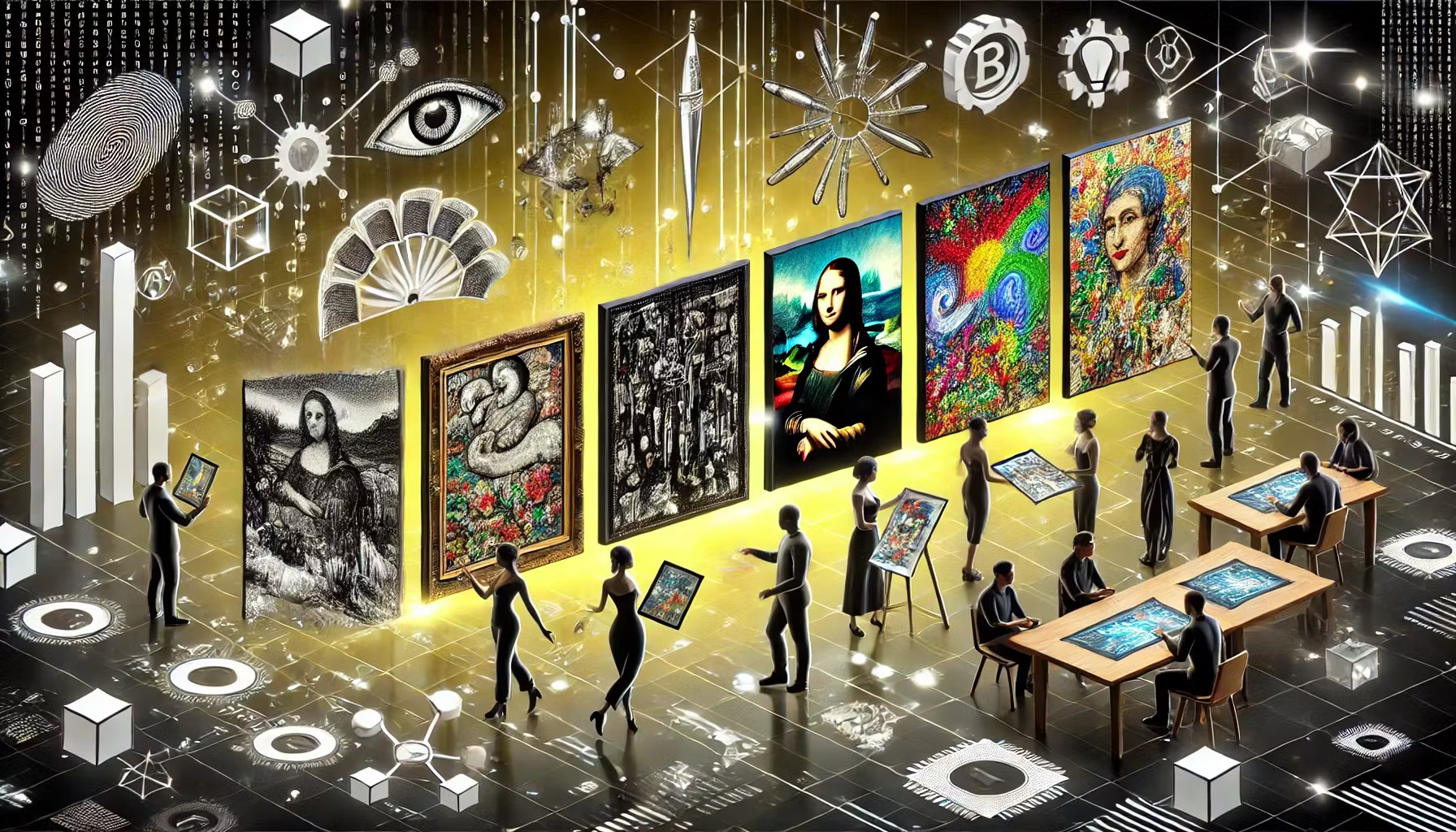

Non-fungible tokens (NFTs) have become synonymous with digital art, but their true potential goes far beyond expensive JPEGs. NFTs represent unique digital ownership, and this concept is being applied across industries from gaming to real estate.
1. What Are NFTs?
NFTs are unique digital assets stored on a blockchain. Unlike cryptocurrencies like Bitcoin, NFTs are not interchangeable—each token has a distinct identity and value.
2. Real-World Applications of NFTs
- Gaming: NFTs allow players to own in-game items like weapons, characters, or skins. These items can often be traded or sold outside the game, creating real-world value.
- Virtual Real Estate: Platforms like Decentraland and The Sandbox let users buy, sell, and develop virtual land using NFTs.
- Music and Entertainment: Artists can use NFTs to sell exclusive albums, concert tickets, or memorabilia directly to fans.
- Certifications and Licenses: NFTs can represent diplomas, licenses, or patents, providing a tamper-proof record of ownership or achievement.
3. Investor Interest and Market Trends
The NFT market has attracted high-profile investors and institutions. Celebrities like Snoop Dogg and brands like Nike are entering the space, creating a mainstream buzz. However, the market remains speculative, with some questioning the longevity of current trends.
Conclusion: NFTs are revolutionizing the concept of ownership, opening new doors for creators and collectors alike. While challenges like environmental concerns and market speculation persist, the versatility of NFTs ensures they will remain a cornerstone of the digital economy.